
Streamline Your Production and
Maximize Efficiency
Delays and bottlenecks in cabinet manufacturing can lead to missed deadlines, wasted materials, and reduced profitability. Our ERP-powered Smart Production Scheduling enables you to plan, monitor, and optimize every stage of your production process. By automating scheduling and integrating it directly into your workflow, your team can ensure timely delivery, efficient resource utilization, and improved customer satisfaction.
Why Smart Production Scheduling is Critical?
Effective production scheduling is the backbone of operational efficiency. Without it, even the most skilled workforce and high-quality materials can fall short of delivering timely, profitable results. Smart scheduling allows manufacturers to:
- Minimize delays and downtime: Allocate labor and machinery where it’s needed most.
- Optimize material usage: Ensure raw materials are available when needed without overstocking.
- Increase throughput: Produce more without adding extra resources.
- Meet customer deadlines consistently: Reduce late deliveries and improve client satisfaction.
By integrating smart scheduling with your ERP, you gain full visibility into every job, every machine, and every employee, turning production planning into a precise, data-driven process.

Key Features of Smart Production Scheduling
Our ERP system offers advanced scheduling capabilities designed specifically for cabinet manufacturers:
Automated Job Scheduling
Automatically prioritize and assign jobs based on deadlines, resource availability, and material readiness. Reduce manual scheduling errors and free up your team to focus on production, not planning.
Real-Time Resource Management
Track machine availability, labor allocation, and material inventory in real time. Avoid overbooking or idle time and ensure every job progresses efficiently.
Dynamic Scheduling Adjustments
Adjust schedules instantly when changes occur—like rush orders, staff absences, or equipment maintenance—without disrupting the entire production flow.
Production Forecasting
Use historical data and predictive analytics to anticipate bottlenecks, material shortages, and labor requirements, allowing you to proactively prevent delays.
Production Forecasting
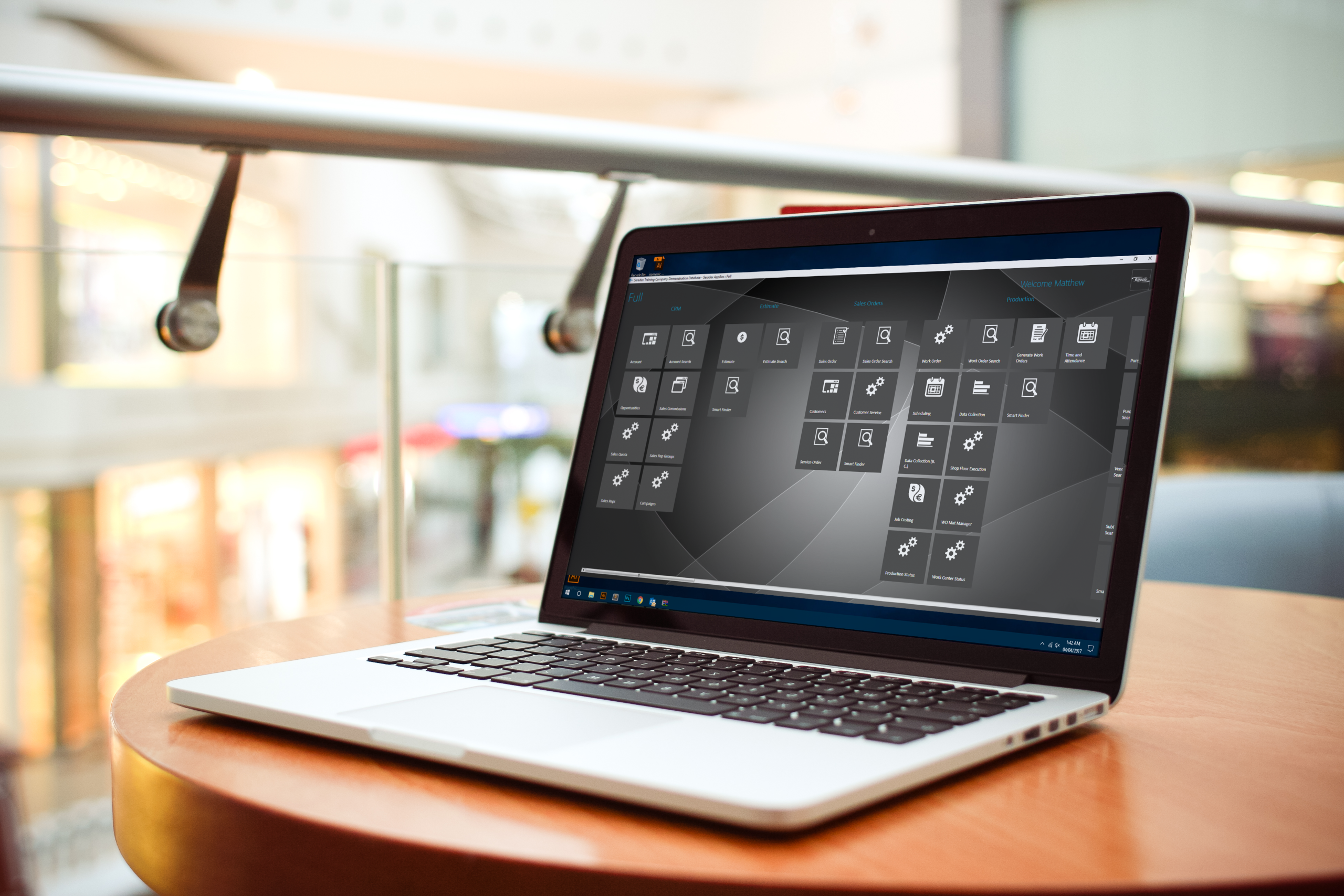
Visual dashboards display the status of all active jobs, resource utilization, and projected completion times, giving managers a complete view of production health at a glance.
How Smart Scheduling Improves Your Business
Implementing smart production scheduling can transform your operation:
- Reduce Lead Times: Plan and execute jobs efficiently, so orders are completed faster.
- Increase Capacity Utilization: Make better use of machines, labor, and materials.
- Cut Operational Costs: Reduce overtime, idle time, and material waste.
- Improve Customer Satisfaction: Deliver orders on time, every time, building trust and repeat business.
The result is a streamlined, predictable, and profitable operation where every job flows smoothly from start to finish.
Case Studies: Success in Action
Real-world results showcasing how our solutions drive efficiency, growth, and measurable impact.
Case Study 1:
Reducing Delays
A mid-sized cabinet manufacturer struggled with missed deadlines due to manual scheduling. After implementing smart production scheduling, the company reduced delays by 30%, ensuring on-time delivery for every order.
Case Study 2:
Optimizing Labor
A shop with fluctuating workloads used real-time scheduling dashboards to allocate labor more effectively. This increased productivity by 18% without hiring additional staff, improving profitability and morale.
Case Study 3:
Minimizing Material Waste
By integrating scheduling with inventory management, a cabinet business ensured materials were available when needed, reducing scrap and overstock costs by 22% within three months.
Integration with Existing Processes
Smart Production Scheduling integrates seamlessly with your CAD, design software, and ERP modules:
- Synchronize schedules with job orders and material availability
- Align shop floor operations with design and quoting systems
- Automatically update schedules based on changes or delays
This creates a connected ecosystem where scheduling decisions are data-driven and instantly actionable.
Frequently Asked Questions
Answers to common questions to help you better understand our solutions and processes.
Can Smart Production Scheduling handle rush orders?
Yes. Our system dynamically adjusts schedules to prioritize urgent jobs without disrupting the entire production workflow.
Does it work for small shops and large manufacturers?
Absolutely. The system is scalable and flexible, suitable for operations of any size.
How quickly can we implement it?
Many clients see immediate benefits within the first few weeks, with full integration and optimized workflows within 60–90 days.
Can it integrate with our existing ERP and CAD software?
Yes. Scheduling is fully integrated, ensuring all production data, material inventory, and job orders are synchronized in real time.
Expert Tips for Maximizing Smart Scheduling
- Start with critical jobs first: Prioritize high-value or time-sensitive orders.
- Leverage real-time dashboards: Monitor progress continuously to spot potential issues early.
- Automate recurring tasks: Reduce human error and improve consistency.
- Review and adjust weekly: Analyze completed jobs to identify trends and improve future scheduling.
ARE YOU READY?
Take the Next Step
Smart Production Scheduling is more than a planning tool—it’s a competitive advantage. By optimizing your workflows, resources, and timelines, you can deliver more, waste less, and improve profitability.